
|
|
| Ruth Schriebman, PsyD, MFT, CT 205 Avenue I, Suite 15 Redondo Beach, CA 90277 Phone: (310) 200-9022 Click here For a Google map to Dr. Ruth's office. Click here For to return to Dr. Ruth's Home Page. Click here for the Mobile Page |
 |
| Grief & Bereavement | Suicide Bereaved Families | Chronic & Critical Illnesses | About (FAQS) |
|
“Where have all the flowers gone? Long time passing.” |
Support for Families Who Have Lost a Loved One to Suicide |
|
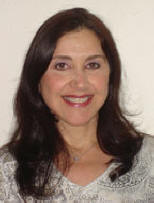
It is estimated that 45,000 Americans die by suicide each year. Yet, for any one person who dies by suicide, many more people are left grieving for someone they care about deeply. The grief-stricken are left struggling to understand why it happened. The death of a loved one by suicide can often trigger powerful and overwhelming emotions. Although these emotional, psychological, and physical symptoms experience by those who grieve from a suicide are like those experienced by others who grieve for other reasons, there are distinct differences. As Sidney Zisook, MD, professor of psychiatry, University of California, San Diego expressed it, “The grief after losing a loved one to suicide has points of commonality with grief following other types of losses of loved ones, but it also has unique features,” and that “stigma is probably at the top of the list of issues that affect people bereaved by a loved one’s suicide.” It is common for suicide-bereaved (SB) individuals and families to experience more societal pressures unique to their grieving process. Many people find any discussion of suicide very difficult. Stigma and shame should not, however, become barriers that prevent SB families and individuals to seek out help and support from mental health professionals, as well as friends and family. Unique to SB families and individuals, is what Dr. Zisook calls, “rumination” over the event itself. As he put it, “When someone dies of cancer, relatives do not typically wonder why the person died, while in suicide, survivors are plagued as to why the person did it.” Ruminating over the loss and its reasons for occurring, can lead to a condition known as “Complicated Grief,” as is discussed in depth on this website. When unresolved grief turns into complicated grief, “where painful emotions are so long lasting and severe that you have trouble resuming your own life,” professional counseling is recommended. Counseling SB families and individuals is the area of expertise Dr. Ruth Schriebman has made a specialty of her practice. Dr. Ruth is certified in Thanatology, the study of death and bereavement. Specializing in the study of death and bereavement, uniquely combines both the clinical and practical experiences best suited to offer help and support to SB families and individuals. Grief is like any disease. When bereavement consumes you, it is time to seek professional help.
When it is time for you reach out to someone during your time of loss, let Dr. Ruth Schriebman guide you through your time of mourning.
|
|
— Thomas Fuller |
| DISCLAIMER
This website and its agents make no representations, or warranties,
expressed or implied, and assume no duty or liability with regard to the information contained herein or associated in any way therewith. |
|
No professional services are being rendered and nothing is intended to
provide such services or advice of any kind.
The inclusion of external hyperlinks does not constitute endorsement, recommendation, or approval of those sites or their contents. This web site bears no responsibility for the accuracy, legality or content of the external sites or for that of subsequent links. Those who visit or use the information or links displayed on this web site assume all risks associated therewith. |
| © 2020 -2023 Ruth Schriebman |
| Hand Coded Websites by Eyepiece Presentation & information Gerald Reiff, webmaster |